
Better to Stay Silent Than Cause Problems«: How Newsrooms Protect Perpetrators, Not Women Journalists
May 27, 2026
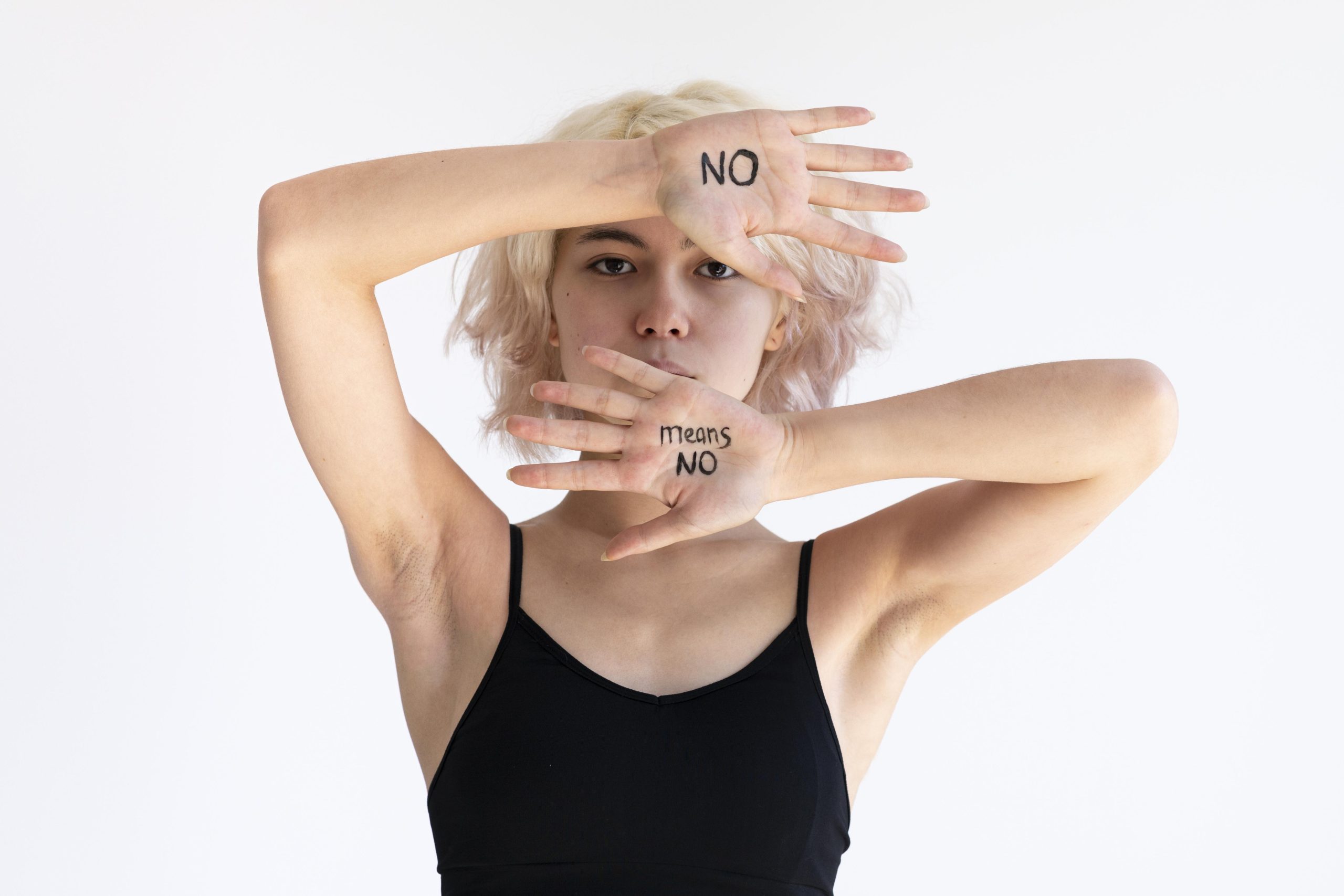
Sexual harassment and gender-based violence are fundamental forms of discrimination and human rights violations in the media sector as well – a study conducted by journalists’ unions, associations, and media organizations from Bosnia and Herzegovina, Serbia, Slovenia, and Croatia has shown.
By: Una Čilić / Mediacentar Sarajevo
Can you imagine working in three different workplaces and experiencing sexual harassment in each of them? This is exactly what happened to one of the participants in the research »Women in the Media: Mapping the Patterns of Workplace Harassment in Slovenia, Croatia, Serbia and Bosnia and Herzegovina«.
From superiors using employment opportunities as leverage for coercion, verbal harassment, frequent unwanted sexual advances, showing genital photographs, to unwanted physical contact.
This is not an isolated case.
The previously mentioned research, involving 606 women journalists and conducted by partner organizations from the four countries, showed that more than 78 percent of participants – the majority – had experienced some form of gender-based violence during their careers. This includes threats, unwanted messages, calls during and after working hours, stalking, extortion, intimidation, and other forms of violence.
Social Media as the Main Arena
Sexual harassment of women in the media does not occur only in newsrooms; these narratives are also present online, especially on social media.
But unlike silence in institutions, social media is loud – filled with comments that humiliate and harass women journalists daily, as confirmed by all research participants. One woman journalist from Bosnia and Herzegovina even described it as a space where »protection does not exist« and where violence happens »simply because it can.«
Those most frequently leaving sexist comments toward women journalists are ordinary citizens (26.9 percent), followed by individuals whom journalists had previously reported on. Nearly one-third of respondents confirmed they had been targeted by sexist comments on social media from random individuals they had never met.
In most cases, these are degrading sexual comments intended to undermine personal dignity and create fear and a hostile environment.
Online violence often spills into offline life, further affecting women journalists’ work. A similar case involved a woman journalist in Serbia who faced several coordinated online harassment and attack campaigns. Her private information, including her photograph and phone number, was published online, resulting in multiple threats and abusive messages. Although she filed an official complaint, prosecutors dismissed the case, stating there were no elements constituting a criminal offense. This affected her mental health and led her to change newsrooms and reduce her presence on social media.
There is also a visible difference between online attacks directed at women journalists and those targeting their male colleagues. As explained by a woman journalist from Slovenia, attacks on women are often personalized and sexualized, focusing on physical appearance or comments suggesting women should become mothers. Male colleagues, on the other hand, are usually criticized for their work or political views.
In addition to comments and messages, misuse of photographs and recordings is also common. In Serbia, cases involving sexually explicit deepfake videos have been reported. A 2023 study found that pornography accounts for 98 percent of deepfake content cases – and that 99 percent of those depict women.
Incidents involving deepfake content targeting women journalists began appearing several years ago, and many women journalists now fear that increasing access to artificial intelligence tools will only worsen the problem.
Despite widespread harassment on social media, many participants in the research stated that speaking about such experiences felt »pointless,« and in many cases they did not even document them. However, this was not due to a lack of awareness about the importance of reporting violence; rather, the low number of reports of digital violence is primarily shaped by structural and institutional barriers.
The insufficient recognition of gender-based violence as a serious issue, combined with a lack of support and heightened feelings of shame, further contributes to the normalization of violence and the low reporting rate. Because of this, a journalist’s decision to report violence is often influenced less by personal willingness and more by an assessment of institutional risks, possible professional consequences, and the availability of protection mechanisms.
Furthermore, newsrooms themselves rarely respond to these kinds of online comments. According to the study, this passivity contributes to the normalization of public violence against women working in the media.
What’s going on with the Reporting?
Despite European Union directives specifically recognizing journalists as a group exposed to online violence, recommendations identifying gender-based violence as a key risk for women journalists, and legal frameworks such as the Digital Services Act, online violence continues to increase.
This is also confirmed by comparative research conducted by UNESCO and by UN Women, which reports that more than half of women in the Western Balkans have experienced some form of digital violence.
The research participants confirmed this as well.
Participants reported experiencing digital violence, including 32 participants who said they had received pornographic or sexually explicit material, and 21 participants who reported being shown such material. As many as 12 participants experienced their photographs or videos being shared without consent and with sexual connotations.
However, when it comes to reporting such incidents, 80 percent of respondents in Bosnia and Herzegovina and Croatia did not report them, while the figure was somewhat lower in Slovenia and Serbia, where 66 percent of women working in the media did not report digital violence.
Among the small number of women who did report online violence, 25 informed their supervisors or responsible departments within media organizations. In seven cases, violence was reported to the police or prosecutor’s office. In two cases, internal mediation processes were initiated and remain ongoing.
Digital violence is rarely reported, but women journalists have developed their own coping mechanisms to deal with online abuse, unwanted messages, and comments. These range from ignoring and distancing themselves from online comments, as seen among women journalists in Croatia and Bosnia and Herzegovina, to systematically documenting social media posts and profiles, as one participant in Slovenia described, or engaging with journalists’ associations, as reported in Serbia.
One participant from Croatia described using humor as a coping strategy for problematic messages received in her inbox. »If I had received a dollar for every hateful message, I could have bought a decent apartment in Istria,« said the Croatian journalist.
For some women, this research marked the first time they had spoken publicly about violence they had experienced. Across the region, 80 percent had not reported violence through institutions, newsrooms, or relevant departments, yet many relied on private support networks.
Sexual harassment most often occurs within newsrooms themselves. In two-thirds of violence cases (67 percent), perpetrators were either colleagues or supervisors. This figure only reinforces the widespread culture of silence and the normalization of violence through sexist jokes, inappropriate language, and workplace discrimination.
Numerous Reported Cases
Daily experiences are strikingly similar everywhere: women journalists are labeled »difficult« when pointing out sexist behavior in newsrooms, advised to »toughen up,« told to »grow thicker skin,« or accused of lacking a sense of humor. Inappropriate language, comments, and jokes are central elements of sexist newsroom culture, including referring to female colleagues with patronizing terms such as »sweetheart« or »dear,« as emphasized by one participant from Slovenia.
The research documents numerous cases in which editors and colleagues frequently made jokes with sexual undertones, intimidated women through shouting, and created uncomfortable and unprofessional situations through physical proximity.
Such behavior is so deeply embedded in newsroom culture and everyday workplace interactions that women journalists themselves sometimes struggle to assess whether a boundary has been crossed or not. Is it »just a hug,« or is it harassment? Although participants generally agreed that even an inappropriate comment can constitute sexual harassment, some admitted they would rather »stay silent than cause problems.«
The research found that among 176 women who reported filing complaints regarding attacks, harassment, or labor rights violations, nearly one-third said they experienced negative consequences for their professional development after reporting.
Such consequences were most pronounced in Serbia (35.9 percent), Croatia (31.43 percent), and Slovenia (30.3 percent), where women more frequently reported direct professional repercussions.
Alarmingly, 183 women reflected on why they had not reported attacks, harassment, or rights violations, and one-third stated that such incidents happened so frequently that reporting them seemed meaningless.
The pattern is the same whether a woman works in the media, in a household, in manufacturing, or within institutions: violence against women remains widespread, regulations and sanctions remain weak, and violence is rarely reported. Sexual harassment is not a marginal issue in the media sector. Rather, it is deeply rooted in organizational culture, power dynamics, and institutional practices that shape women’s daily work experiences.
Mechanisms Exist, But They Are Not Effectively Implemented
Although some media organizations have internal mechanisms designed to prevent violence and harassment, the research found that these are largely inconsistent and ineffective.
Various protection mechanisms do exist, and every country has legal frameworks intended to protect individuals from discrimination and violence – from gender equality laws to the Council of Europe Convention on Preventing and Combating Violence Against Women and Domestic Violence (the Istanbul Convention).
Internal mechanisms for responding to gender-based violence exist in some media outlets, especially in Serbia and Slovenia. However, the research also showed that in most cases these mechanisms are not effectively implemented.
Media unions exist in Slovenia, Croatia, and Serbia, but not in Bosnia and Herzegovina. Nevertheless, when it comes to protection and representation, media workers most often rely on journalists’ associations, non-governmental organizations, and donor-funded projects. Despite this, fewer than ten percent of respondents reported attacks to journalists’ associations or labor unions.
In response to the need to better protect women in the media, the »Women in the Media« project also developed the Rulebook focused on preventing sexual harassment and other forms of workplace harassment in newsrooms. The goal is to create safe, inclusive, and accountable work environments.
The Rulebook include practical information for women journalists on protection mechanisms and procedures for reporting violence. They identify multiple forms of harassment, including physical attacks, threats, verbal harassment, sexual harassment, discreditation campaigns, and non-verbal harassment involving the sharing and publication of photographs, including content generated using artificial intelligence tools.
The Rulebook also specifically focus on online harassment, including insults, misogynistic rhetoric, sexual harassment, false reporting campaigns, and deepfake content.
Among other provisions, the Rulebook classify the sharing or publication of photographs, recordings, or other materials (including content created with digital or AI tools), as well as unauthorized dissemination of private information (doxing), as forms of non-verbal harassment. They also address discreditation campaigns – systematic and ongoing efforts aimed at damaging an individual’s reputation and professional integrity through false or manipulative claims, negative propaganda, or misuse of information.
»Online harassment includes insults, misogynistic, nationalist, and homophobic rhetoric, targeted sexualized harassment, threats, false reports (mass reporting), coordinated attacks (brigading), deepfake content intended to discredit individuals, and other forms of digital violence,« the Rulebook state.
Some employer obligations include ensuring confidential reporting mechanisms and appointing two designated workplace harassment protection officers.
The Situation Is Only Getting Worse
Violence against women represents one of the most severe forms of human rights violations. It is deeply rooted in patriarchal social norms and unequal power relations that affect every sphere of life, and this research demonstrates that the media industry is no exception.
The experiences shared by research participants, together with findings from international organizations, indicate that the situation regarding safety, harassment, and violence experienced by women journalists has worsened over the past five years.
For example, during 2024 alone, the Coalition For Women in Journalism recorded a 56 percent increase in reported cases compared to the previous year.
Rooted in patriarchal norms and learned patterns of behavior, unequal power relations between men and women – the foundation of gender-based violence – are clearly visible in newsrooms. Although recent years have seen an increase in the number of women employed in media organizations, leadership positions remain predominantly occupied by men. This is confirmed by recent research from the Reuters Institute, which found that women make up 40 percent of journalists in newsrooms, while only 27 percent hold senior editorial leadership roles.
The International Federation of Journalists handbook »Achieving the Right Balance: Gender Equality in Journalism« warns that without structural reforms – including equal pay, flexible working conditions, and transparent promotion procedures – efforts to establish gender equality in the media will remain merely formal rather than substantive.
A small number of women in leadership positions. Career advancement barriers. Unequal pay. And on top of that – sexual harassment and violence. At work. All of this demonstrates how deeply patriarchal behavioral models and sexist attitudes remain embedded even in workplaces where perpetrators feel protected. The normalization of violence, combined with a lack of reliable protection mechanisms and fear of career consequences, creates conditions in which women journalists remain silent. Even though, through their work, women journalists encourage others to report violence, and even though participants repeatedly emphasized during the research how important reporting such cases is, they themselves rarely do so.
Research like this serves not only to emphasize the seriousness of harassment faced by women journalists in newsrooms but also to encourage media leaders to implement functional and confidential protection systems through policies and recommendations. Systems that will encourage female journalists to report violence in the future, should it occur.
Share this article